

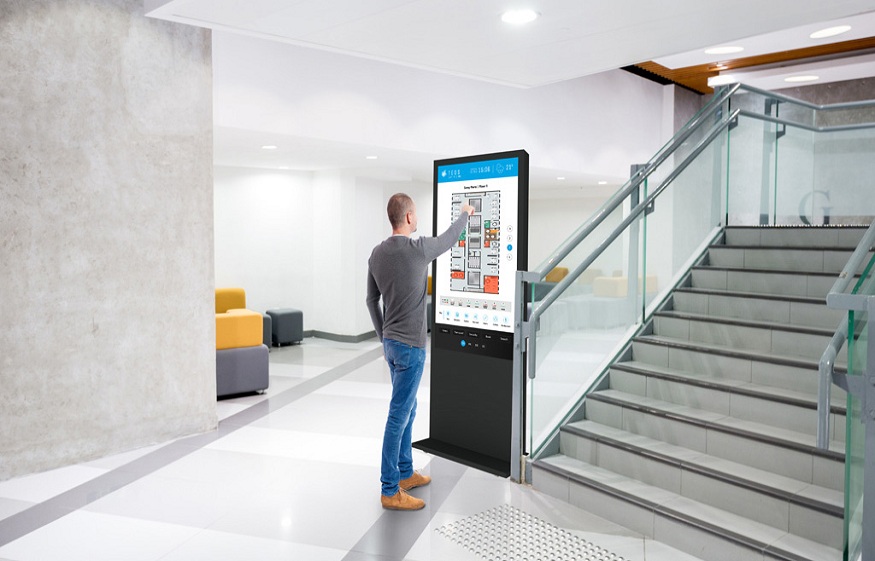
In the evolving landscape of modern advertising, digital signage stands out as a powerful medium for engaging audiences and promoting products or services. However, to maximise its effectiveness, it is crucial to carefully consider various aspects when creating content for digital signage. The following key considerations will help ensure that your digital signage content is compelling, relevant, and impactful.
Understand Your Audience
The first step in creating effective digital signage content is understanding your target audience. This means delving deep into demographic details such as age, gender, interests, and behaviours, which will help tailor the content to meet their specific preferences and needs. For instance, content aimed at a younger demographic might incorporate more dynamic visuals, interactive elements, and social media integrations to capture their attention. Conversely, content designed for an older audience might focus on clarity, larger fonts, and straightforward messaging to ensure the information is easily accessible and understandable.
Read More: How Hard Water Impacts Your Hair Quality And What You Can Do About It
Audience insights can guide everything from the tone and style of the content to the timing and placement of the signage. For example, knowing the peak times when your target audience is most likely to view the signage can help in scheduling the most impactful content during those periods. Additionally, understanding the locations your audience frequents can influence where to position your digital signs for maximum visibility and engagement. By aligning your content strategy with detailed audience insights, you can create more relevant and compelling digital signage that effectively communicates your message and achieves your marketing objectives.
Prioritise Clarity and Readability
Clarity and readability are paramount in digital signage. The content should be easily digestible at a glance since viewers typically spend only a few seconds looking at the screen. To achieve this, use large, legible fonts that can be read quickly from a distance. High-contrastcolour schemes are also crucial as they ensure that the text stands out against the background, making it easier for viewers to read. Avoid cluttering the screen with too much information, which can overwhelm the viewer and dilute the impact of your message. Instead, prioritize delivering a clear, concise message that gets straight to the point.
A strong call to action (CTA) is essential for engaging viewers and prompting them to take the desired steps. Whether it’s encouraging customers to make a purchase, visit a website, or follow social media channels, the CTA should be prominent and straightforward. Effective use of white space can further enhance the readability and visual appeal of your content by allowing key messages to stand out without distraction. This minimalist approach not only makes the content more aesthetically pleasing but also ensures that the most important information is communicated effectively. By focusing on clarity, readability, and a strong CTA, your digital signage can capture attention and drive engagement effectively.
Use High-Quality Visuals
The visual quality of your digital signage content can significantly impact its effectiveness. High-resolution images and videos are essential to capture and retain the viewer’s attention, as they ensure clarity and vividness. Blurry or pixelated visuals not only detract from your message but also reflect poorly on your brand, potentially leading to a negative perception among viewers. Investing in professional-quality graphics and animations can make a significant difference in the overall impact of your content, creating a polished and professional appearance that enhances your brand’s credibility.
Moreover, using high-quality visuals can help convey your message more effectively. Detailed images and smooth animations can communicate complex information quickly and clearly, making it easier for viewers to understand and remember your message. This is especially important in a competitive advertising environment where first impressions matter. Additionally, high-quality visuals can evoke emotions and create a stronger connection with your audience, driving engagement and encouraging action. By prioritising visual quality, you ensure that your digital signage not only attracts attention but also leaves a lasting, positive impression on your audience.
Keep Content Fresh and Updated
One of the main advantages of digital signage is the ability to update content quickly and easily. This flexibility allows businesses to keep their messaging fresh and engaging, ensuring that audiences are always presented with the most current information. Regularly refreshing your content is essential to maintain viewer interest and relevance. Seasonal promotions, new product launches, and timely announcements should be seamlessly integrated into your content strategy. This proactive approach helps in attracting repeat viewers who anticipate new and exciting content, thereby enhancing engagement and brand loyalty.
Additionally, leveraging real-time data feeds can significantly enhance the dynamism of your digital signage. Integrating live news, weather updates, or social media streams keeps your content up-to-date and relevant, making your signage a go-to source for timely information. Real-time updates ensure that your audience receives the latest information, which can be particularly useful in environments like retail stores, corporate offices, or public spaces. By combining the ability to quickly update content with real-time data integration, digital signage becomes a powerful tool for maintaining continuous engagement and providing value to your audience.
Incorporate Motion and Animation
Static content can easily be overlooked, especially in busy environments where people are bombarded with information. Incorporating motion and animation can significantly enhance the effectiveness of your digital signage by making it more engaging and attention-grabbing. Movement naturally draws the eye and can captivate viewers, ensuring that your message stands out amidst the visual noise of modern settings. However, it’s crucial to strike a balance; excessive or overly complex animations can be distracting and counterproductive, potentially diluting the impact of your intended message.
To maximize the effectiveness of animations in digital signage, focus on using them strategically to complement and reinforce your content. Simple transitions between slides, subtle movements within graphics or text, and occasional video clips can add dynamism without overwhelming viewers. These elements should serve to enhance the clarity and effectiveness of your message, rather than overshadowing it. When animations are used judiciously, they can help convey information more effectively, evoke emotion, and create a memorable experience for your audience. Finding the right balance of motion and static elements is key to creating digital signage that effectively captures attention and communicates your brand message.
Optimise for Different Screen Sizes, Orientations, and Locations
Digital signage comes in various shapes and sizes, from small shelf-edge displays to large-format video walls. Ensure your content is optimisedfor the specific dimensions and orientations of the screens on which it will be displayed. Responsive design principles can help create content that looks good and functions well across different devices and screen sizes. Test your content on all relevant screens to ensure it appears as intended and is effective in each context.
The environment in which your digital signage will be viewed is another critical factor. Bright outdoor screens require different considerations compared to indoor displays with controlled lighting. Ensure that the contrast, brightness, and colour settings of your content are suitable for the intended viewing environment. Additionally, consider the distance from which viewers will see the screen. Content designed for a close-up view in a retail store may need to be different from that designed for a distant view in a large airport terminal.
Measure and Adjust
Finally, it’s important to measure the effectiveness of your digital signage content. Use analytics and feedback to assess what is working and what isn’t. Metrics such as engagement rates, dwell time, and conversion rates can provide valuable insights. Use this data to continually refine and optimise your content strategy.
Read More: Is Your Water Filter Machine Really Improving Your Healt H?
By carefully considering these factors, you can create compelling, effective content for digital signage that captures attention, engages your audience, and drives your marketing objectives forward.
For wider commercial, hospitality, or public-facing projects, small supporting details can make the finished space feel more complete. Composite decking can provide a durable, low-maintenance surface for terraces, entrances, outdoor seating areas, and customer-facing spaces; while hand dryers can support cleaner, more efficient washroom facilities; while traditional signage can add character, direction, and brand presence.